RAE HSU
Taiwanese Calligraphy Artist & Curator
Creating a field that invites people into the beauty of nature, stillness, and emptiness.
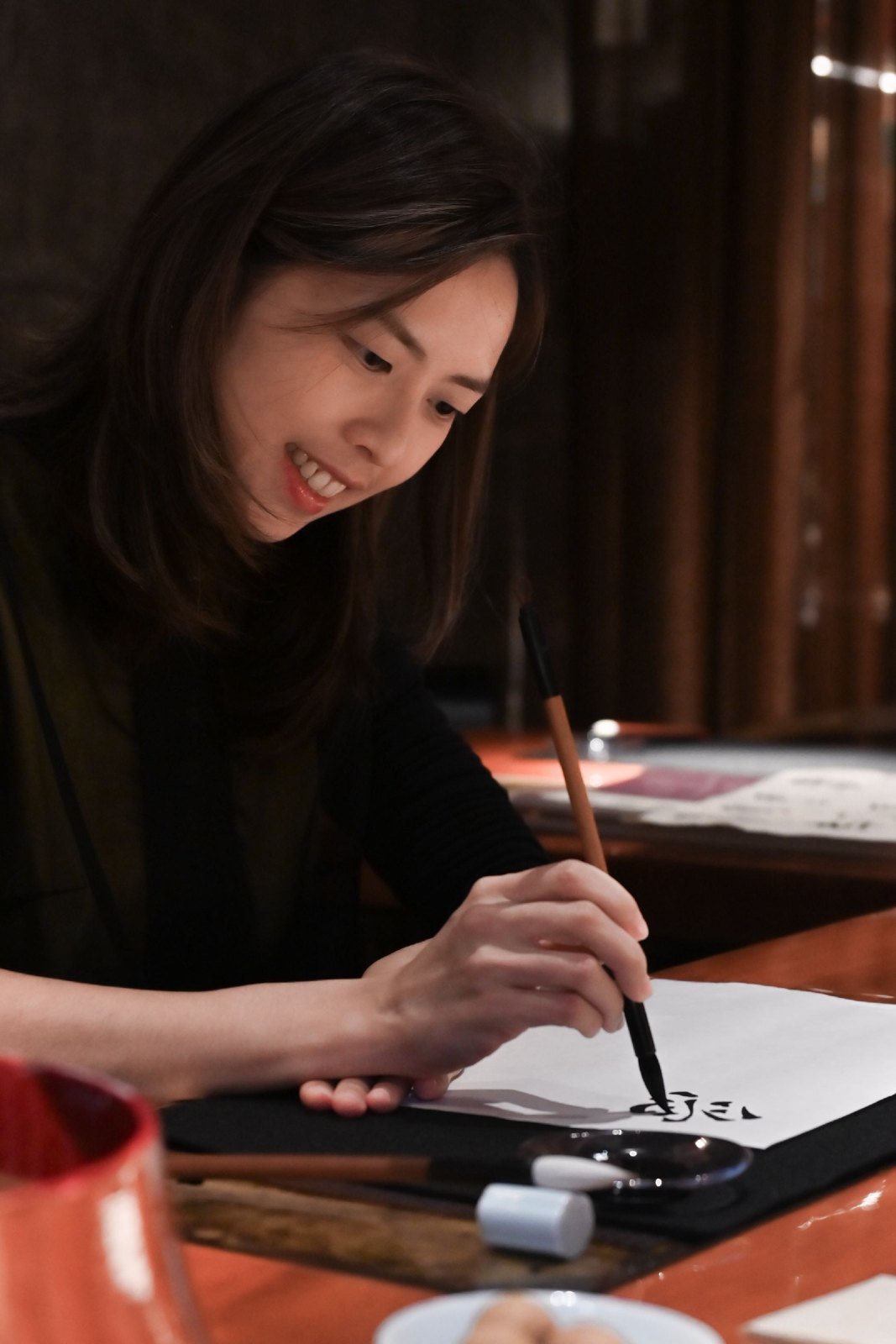
Through ink and tea, a field is made —
a place to slow down, to return to nature,
and to the stillness within.
Rae Hsu (b. 1994, Taiwan) is a calligraphy artist and curator whose practice lives at the meeting point of art, nature, and contemplative living. She holds a degree in Business Administration, with a double major in Industrial Design, and has worked for many years across design, curation, and cultural projects.
Trained in Chinese calligraphy for over fifteen years, she has long been drawn to its minimal form and its meditation on life. In 2016 she founded the cross-disciplinary calligraphy collective More Ink Between (游墨之間), carrying calligraphy beyond paper and brush into the body, image, sound, and space.
She has practiced zen meditation for more than ten years. At twenty-five she moved to the mountains, and her life and work have since been inseparable from nature and spiritual practice. She also keeps a quiet practice of tea, holding to the belief that "daily life is itself the place of practice," and continues to take calligraphy as her root while exploring the possibilities of Eastern aesthetics in a contemporary context.
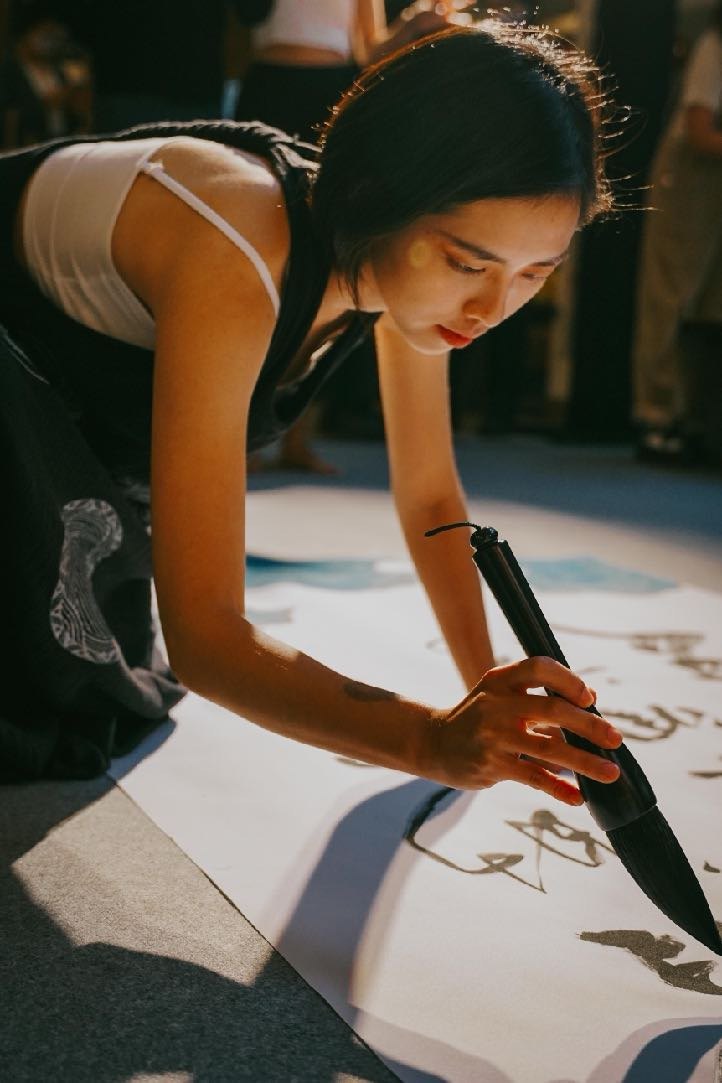
One stroke. Only this moment.
Calligraphy cannot be undone, layered, copied, or corrected. The paper is thin and translucent — fragile, and yet resilient.
Ten years of meditation run through every piece. No work is ever repeated.
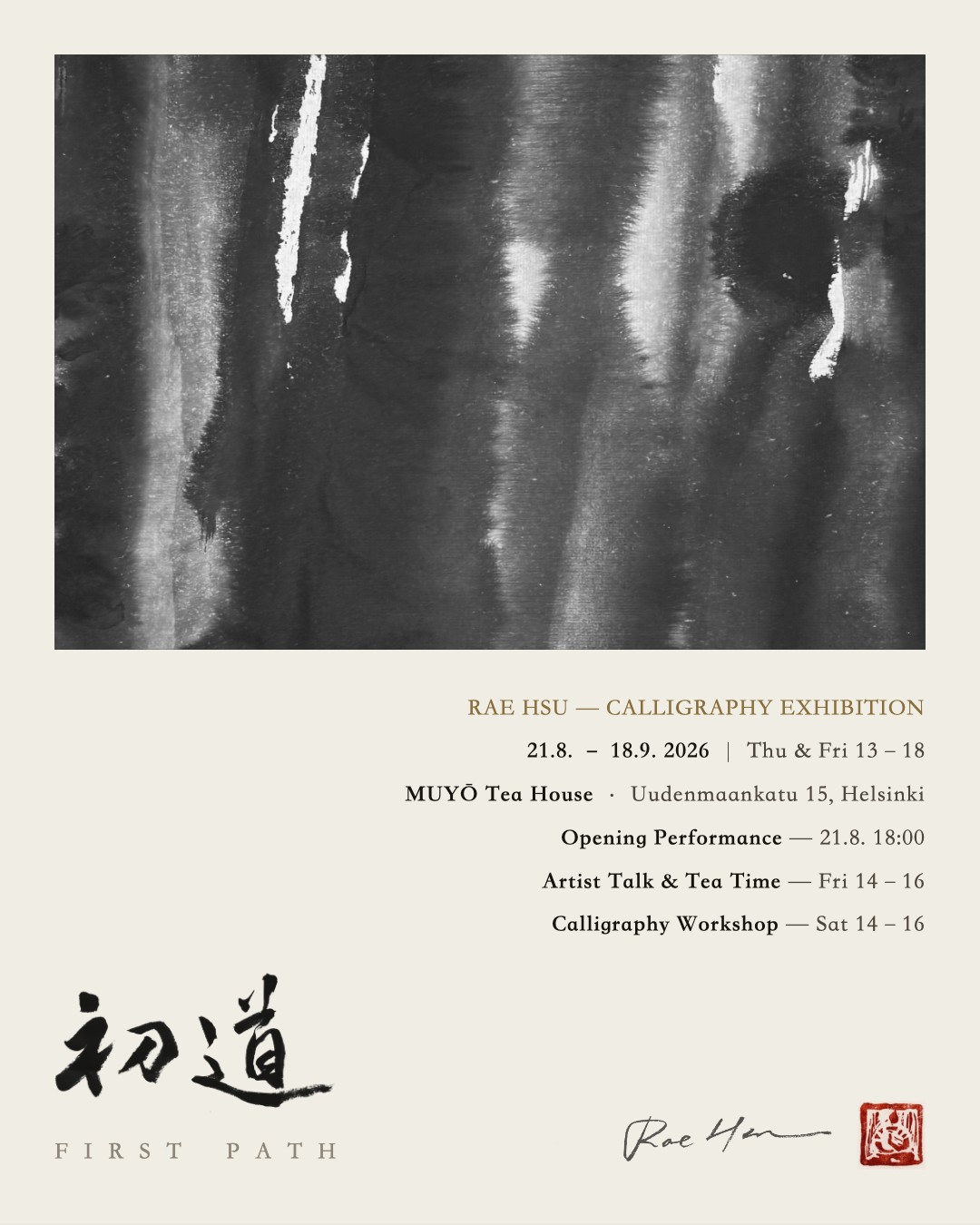
First Path is new grass breaking through soil: a first appearance, and a way of writing — a return to the original mind.
21.8. – 18.9. 2026 · MUYŌ Tea House, Uudenmaankatu 15, Helsinki
Opening performance, three Artist Talk & Tea Time sessions, and two calligraphy workshops were held during the exhibition.
A body, a sheet of white paper, ink, water, and sound. In this performance, Rae Hsu brings calligraphy beyond the page and into space, writing with her whole body as movement becomes writing and writing becomes movement. Nothing is predetermined — ink and water find their own paths, while Huang Tai-Yuan's East Asian improvisational melodies and ambient soundscapes move alongside the body, allowing calligraphy and sound to unfold together in the present moment.
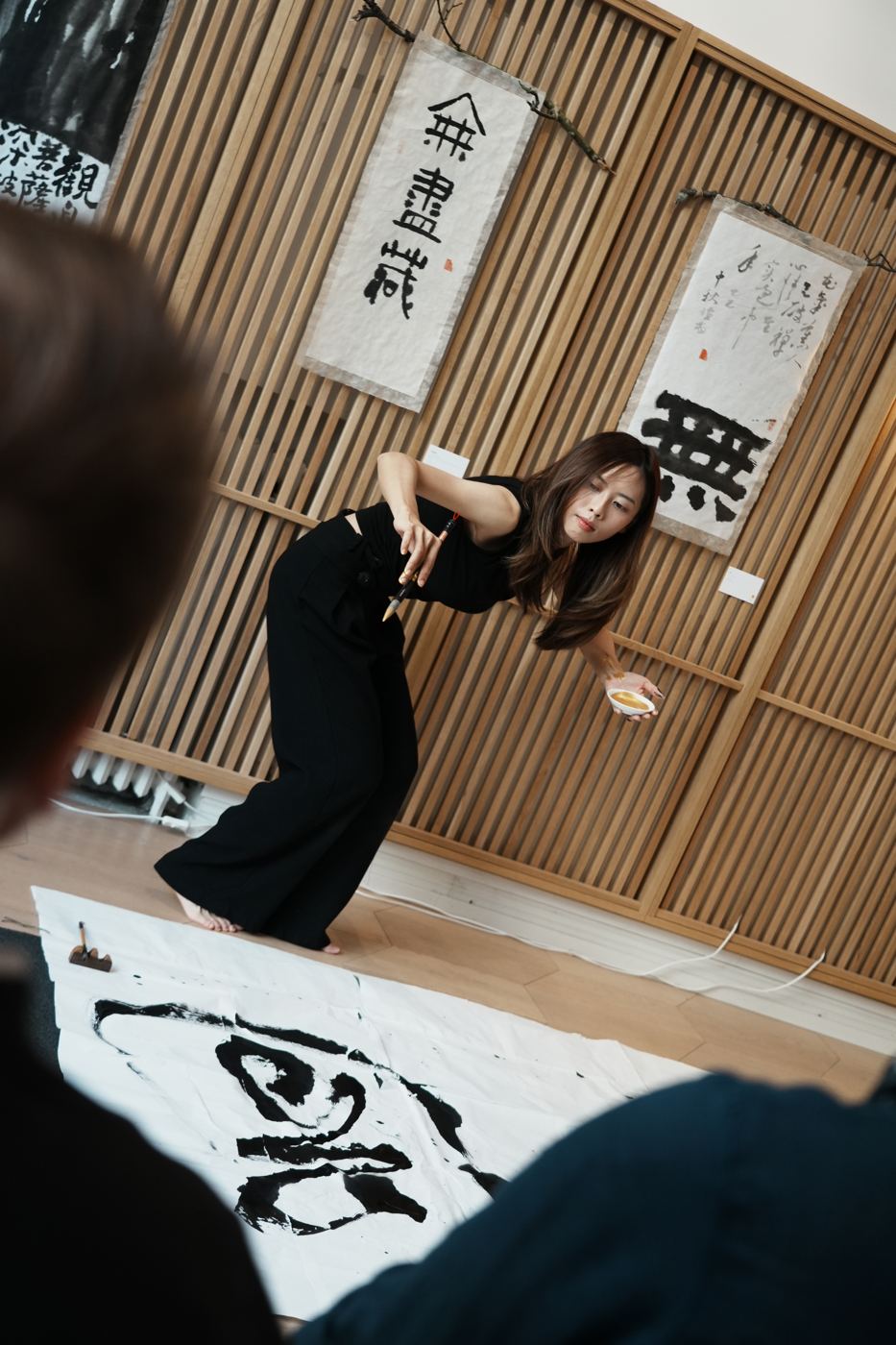
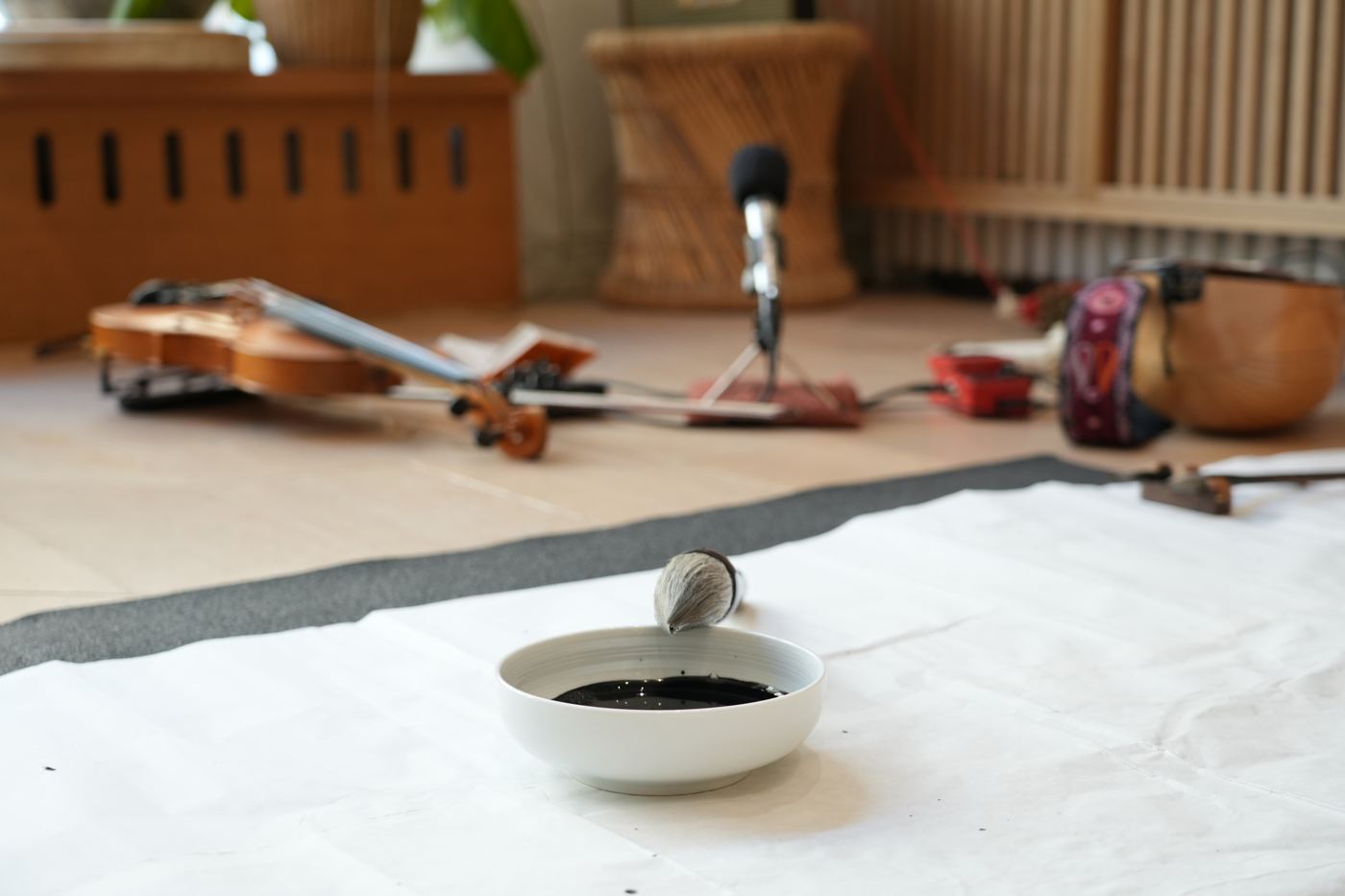
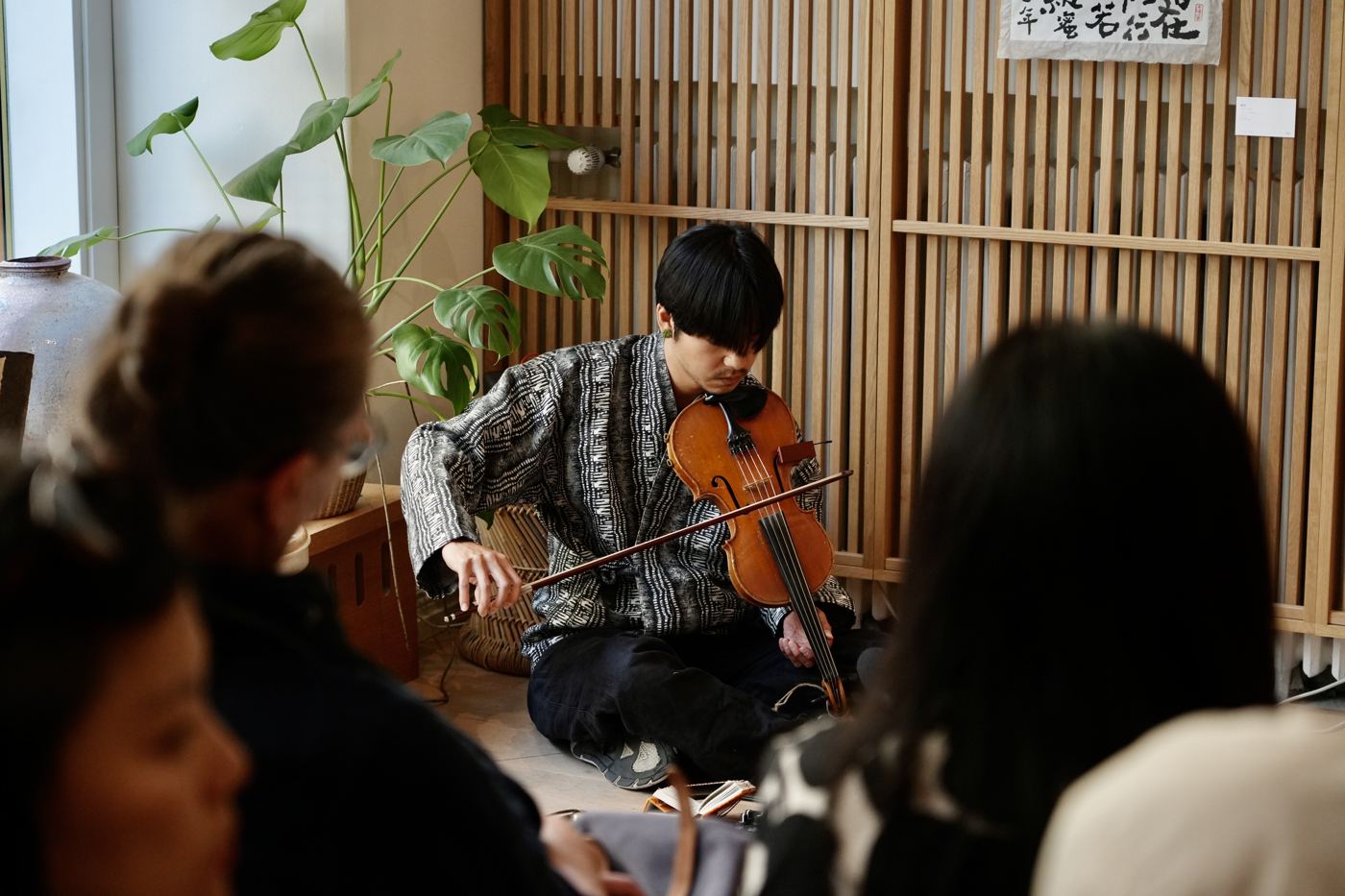
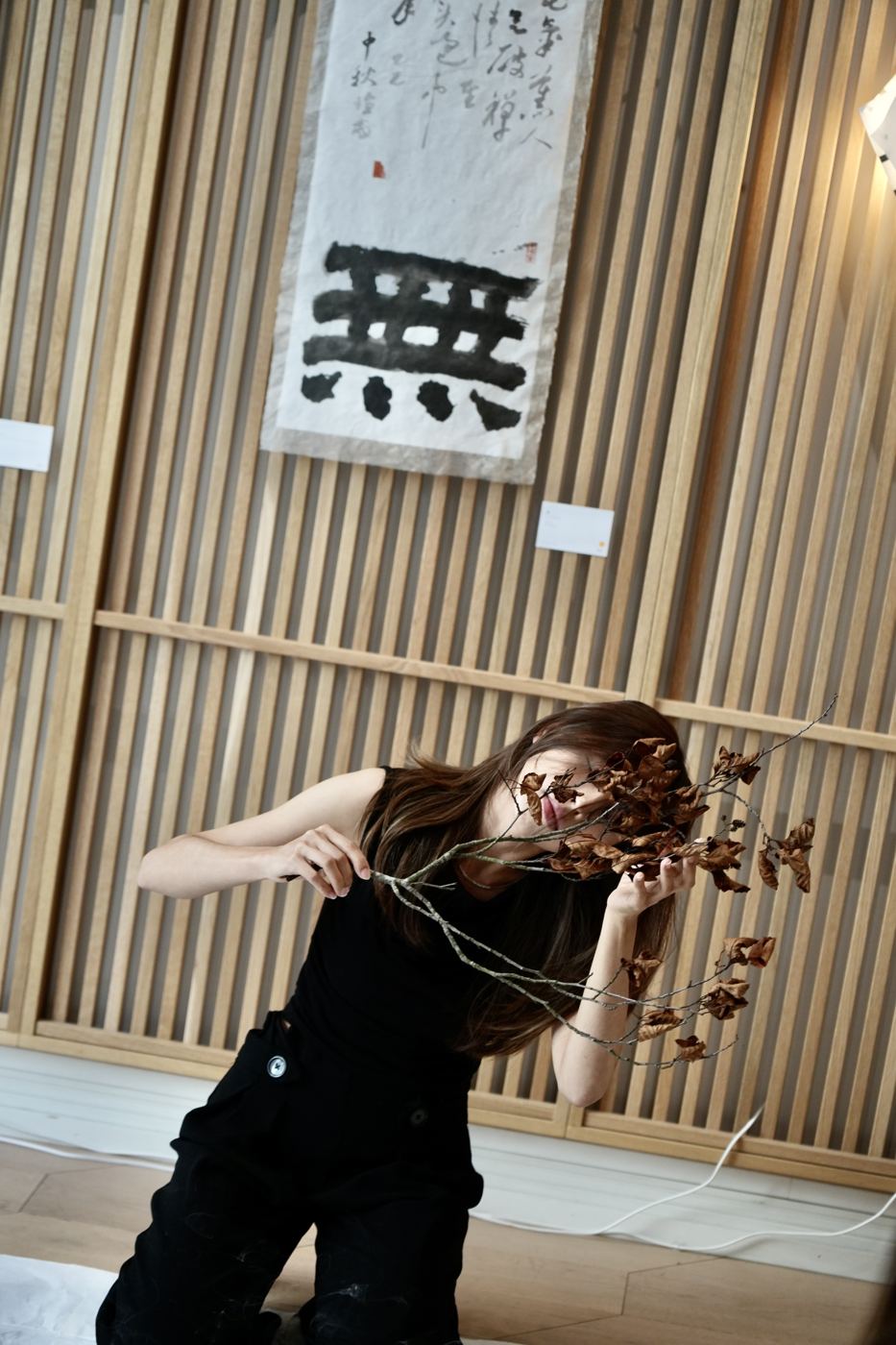
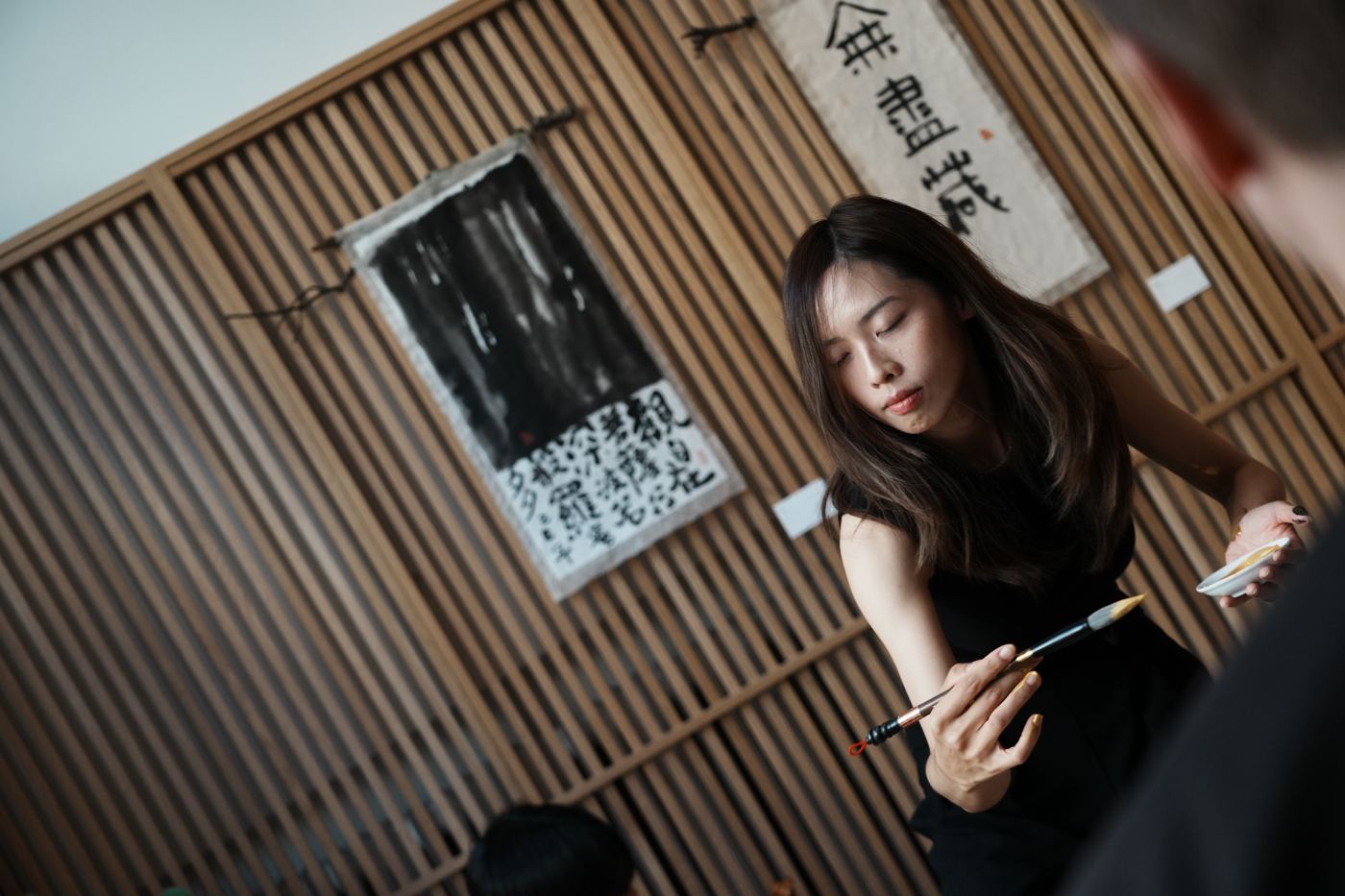
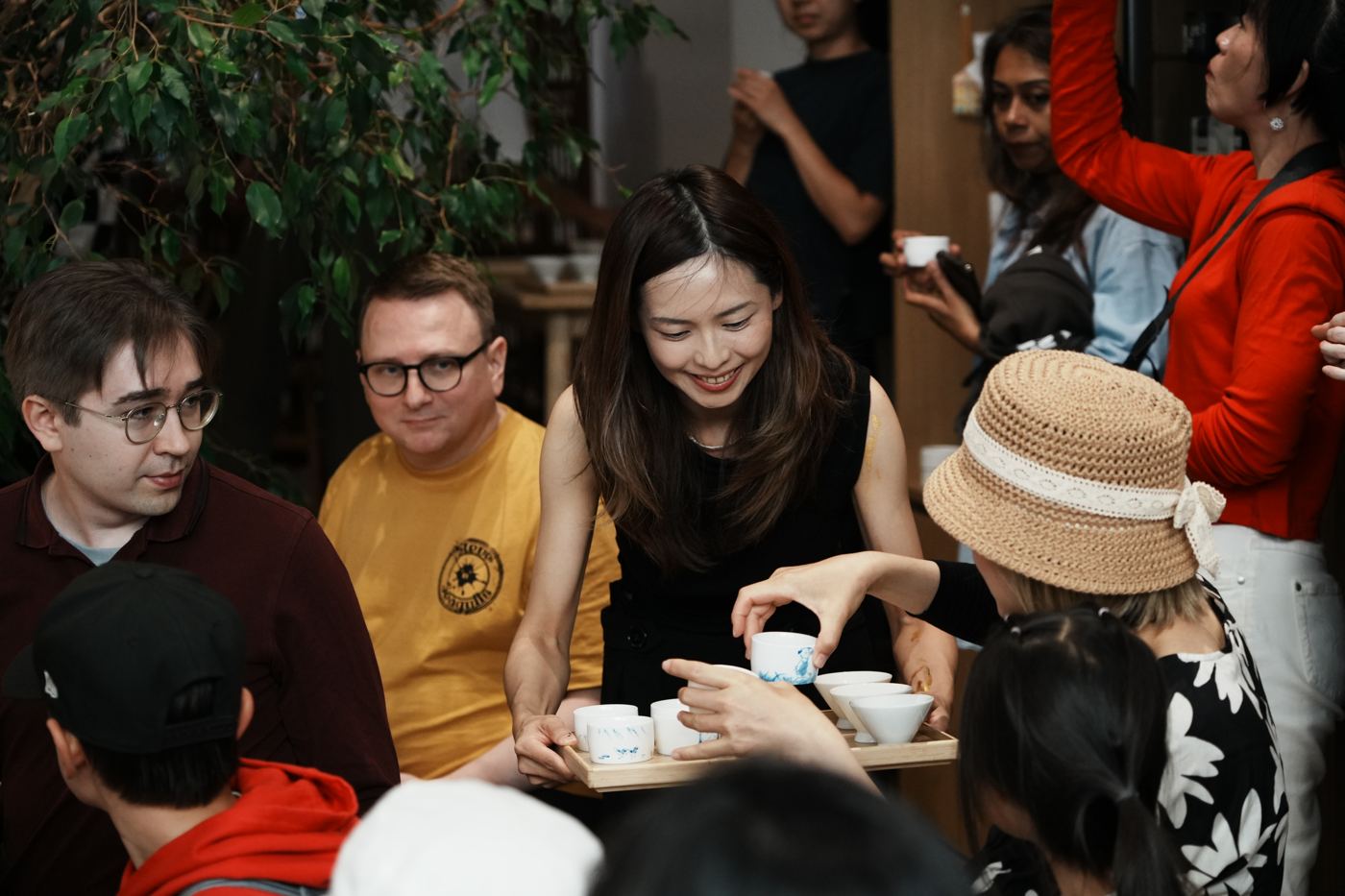
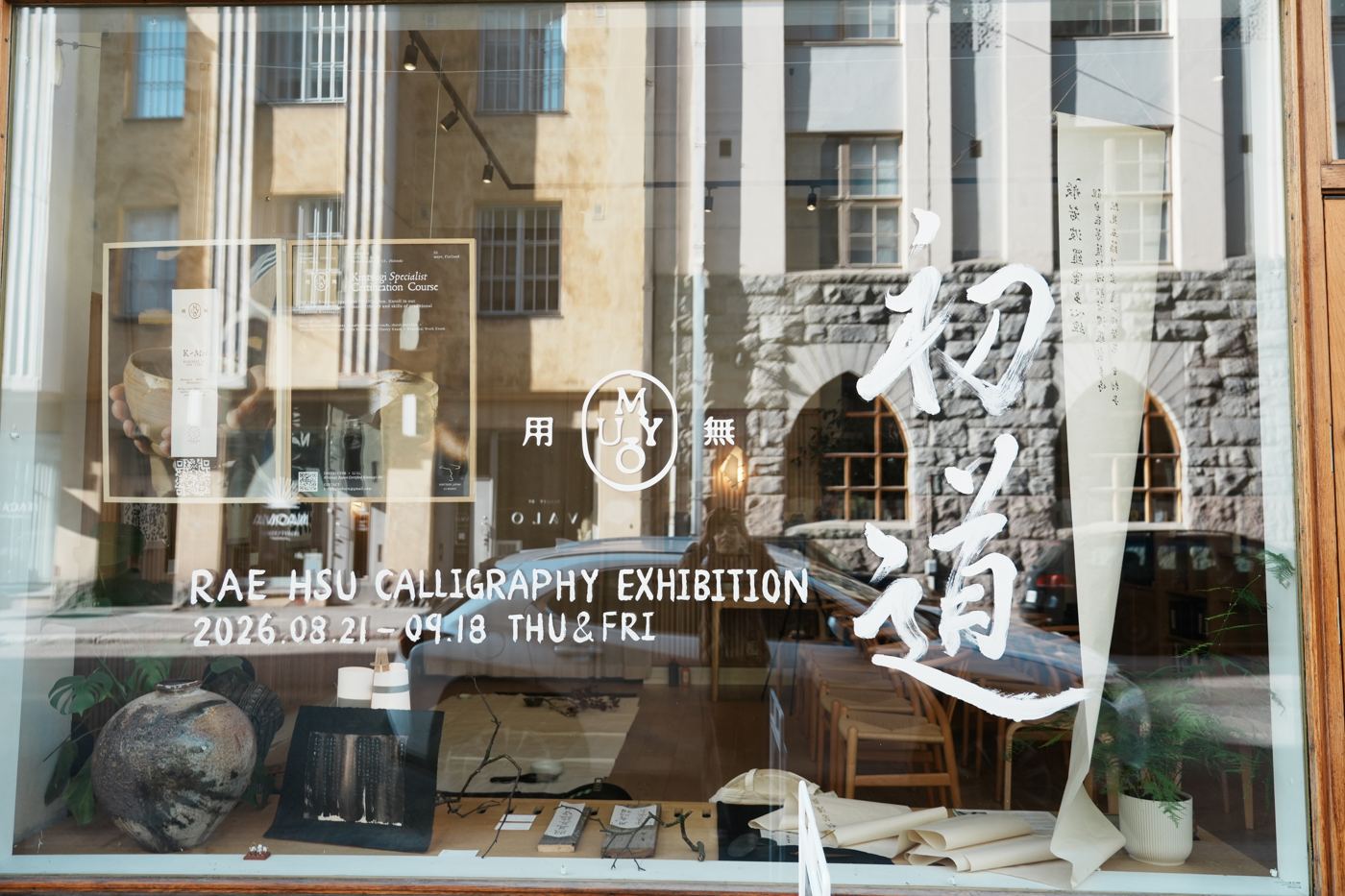
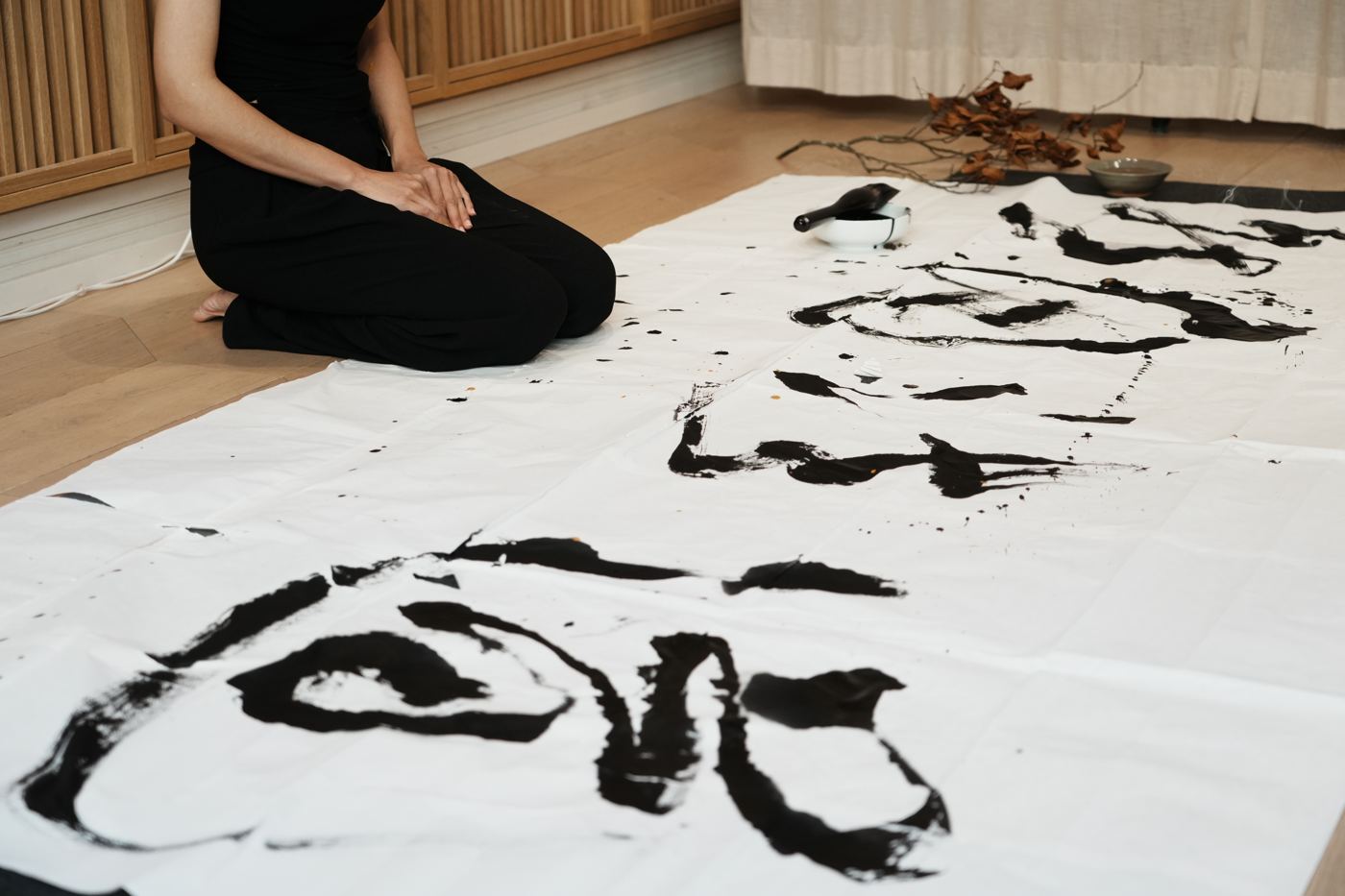
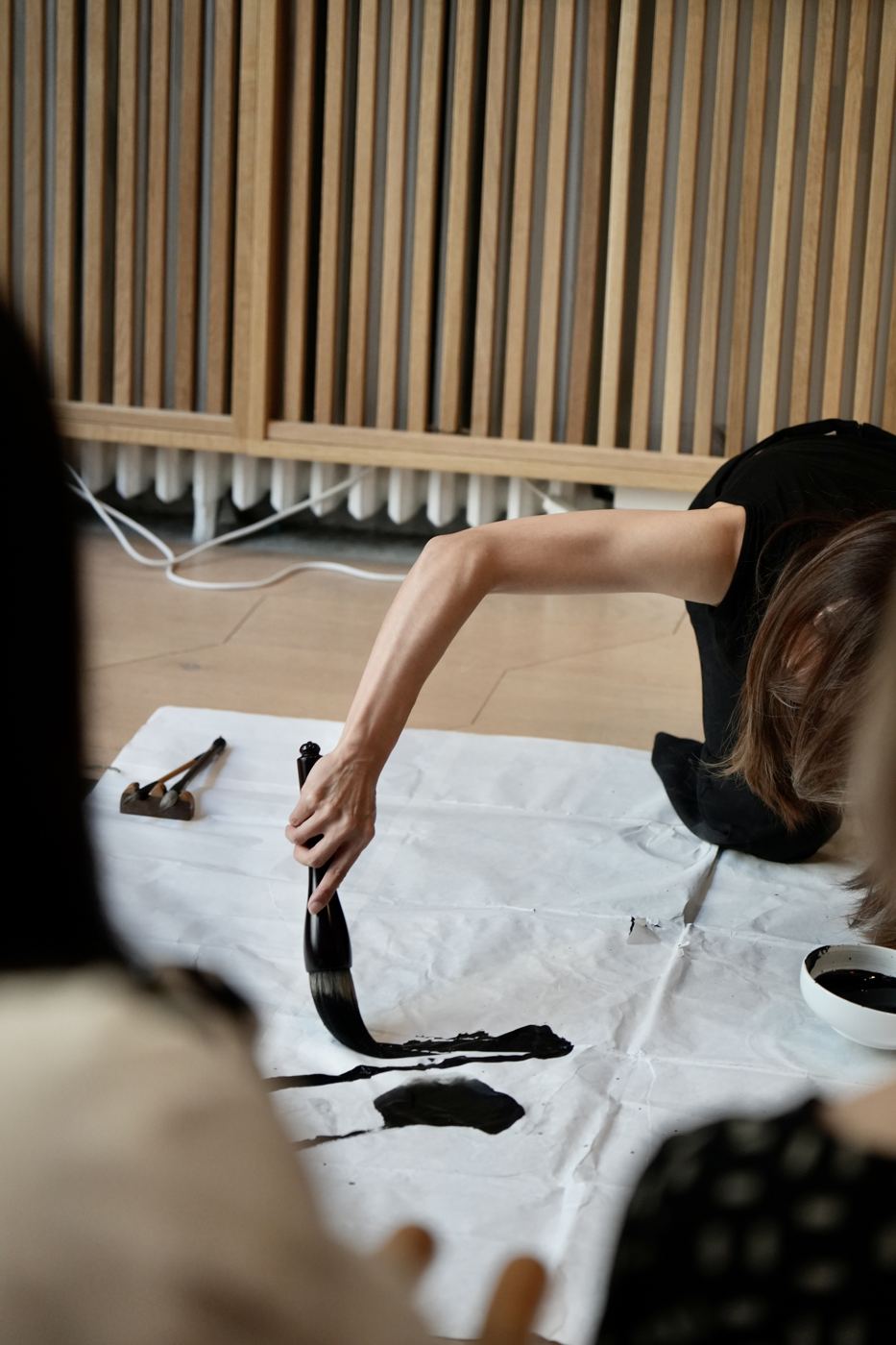
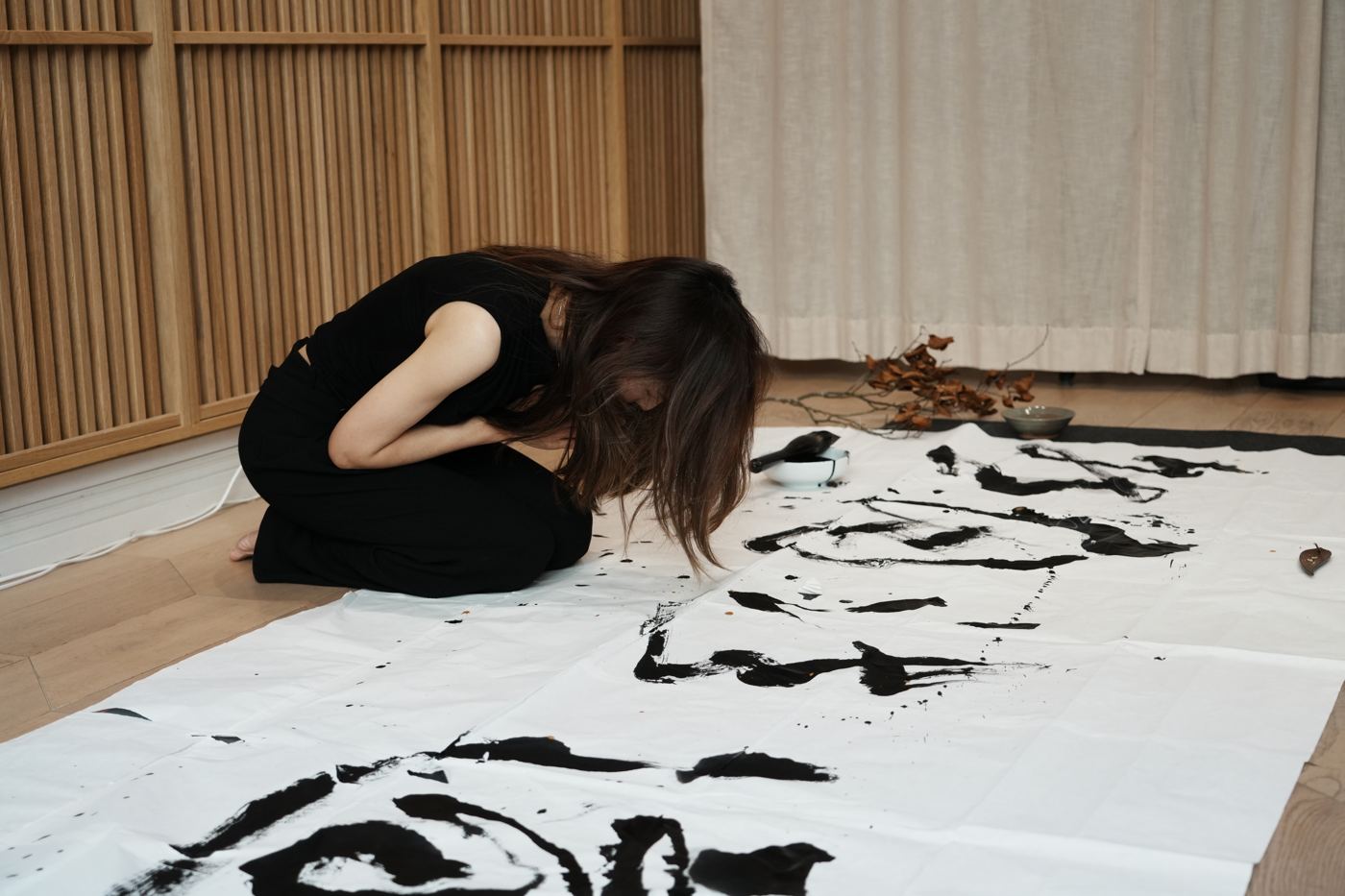
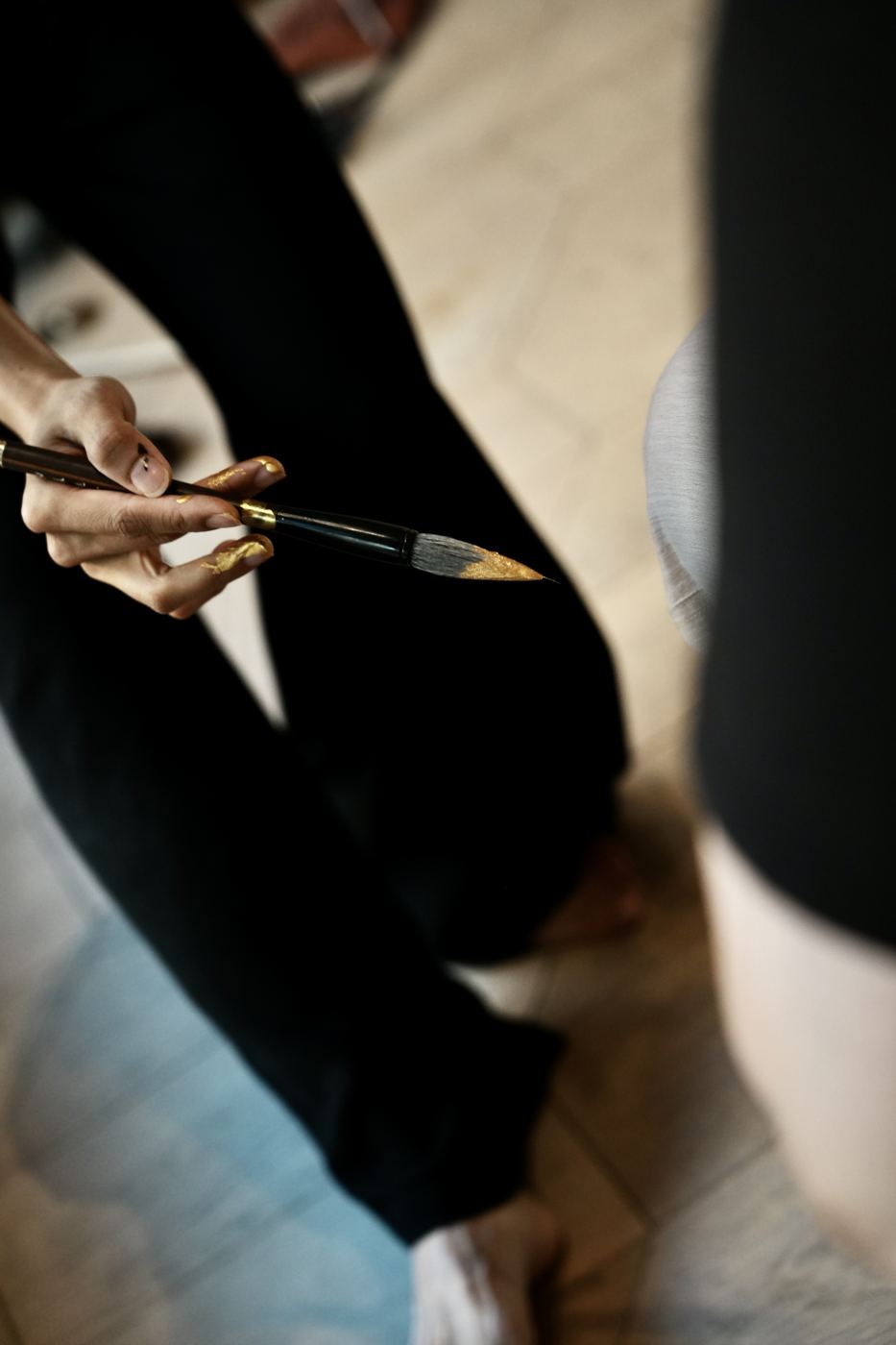
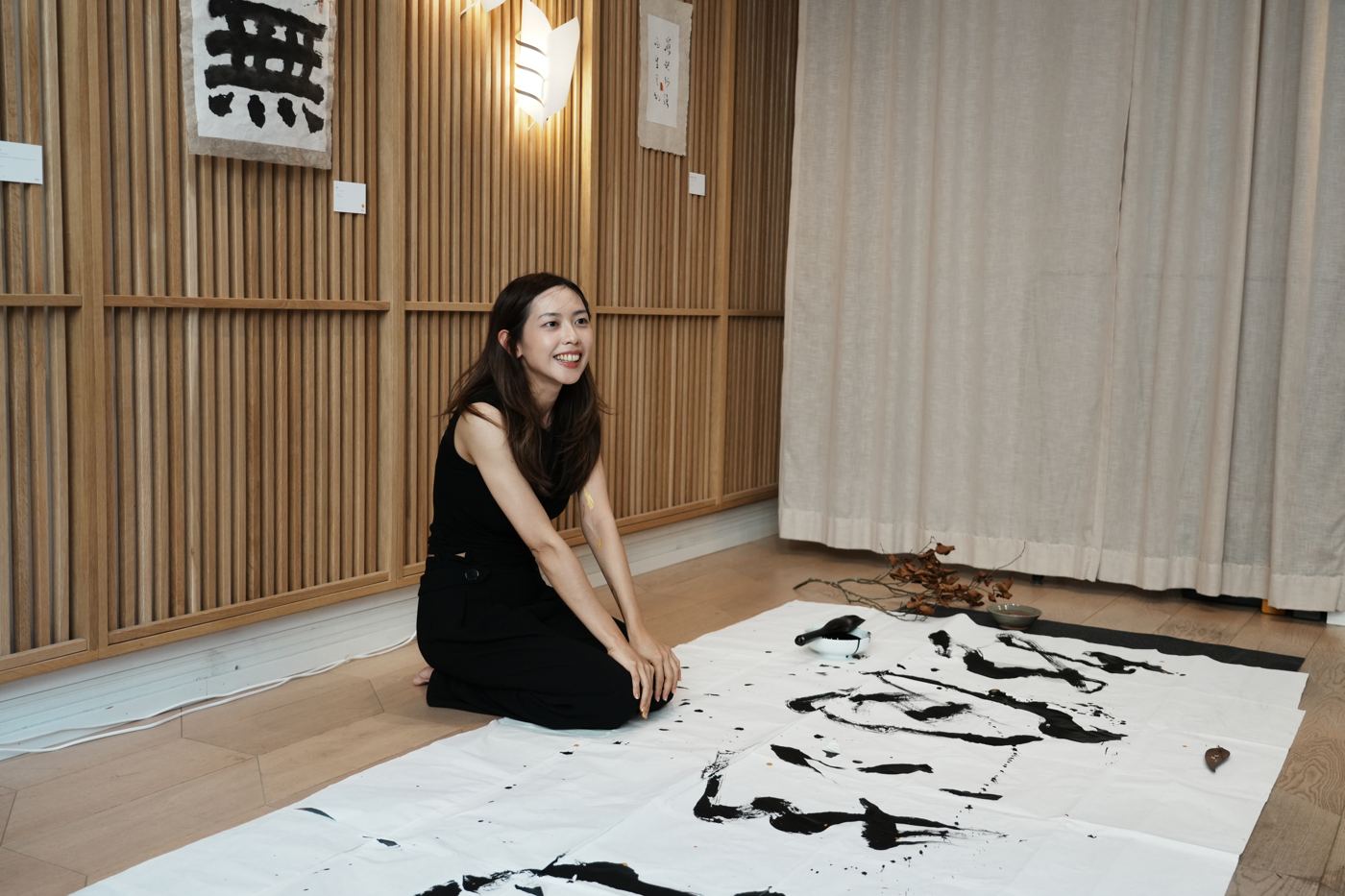
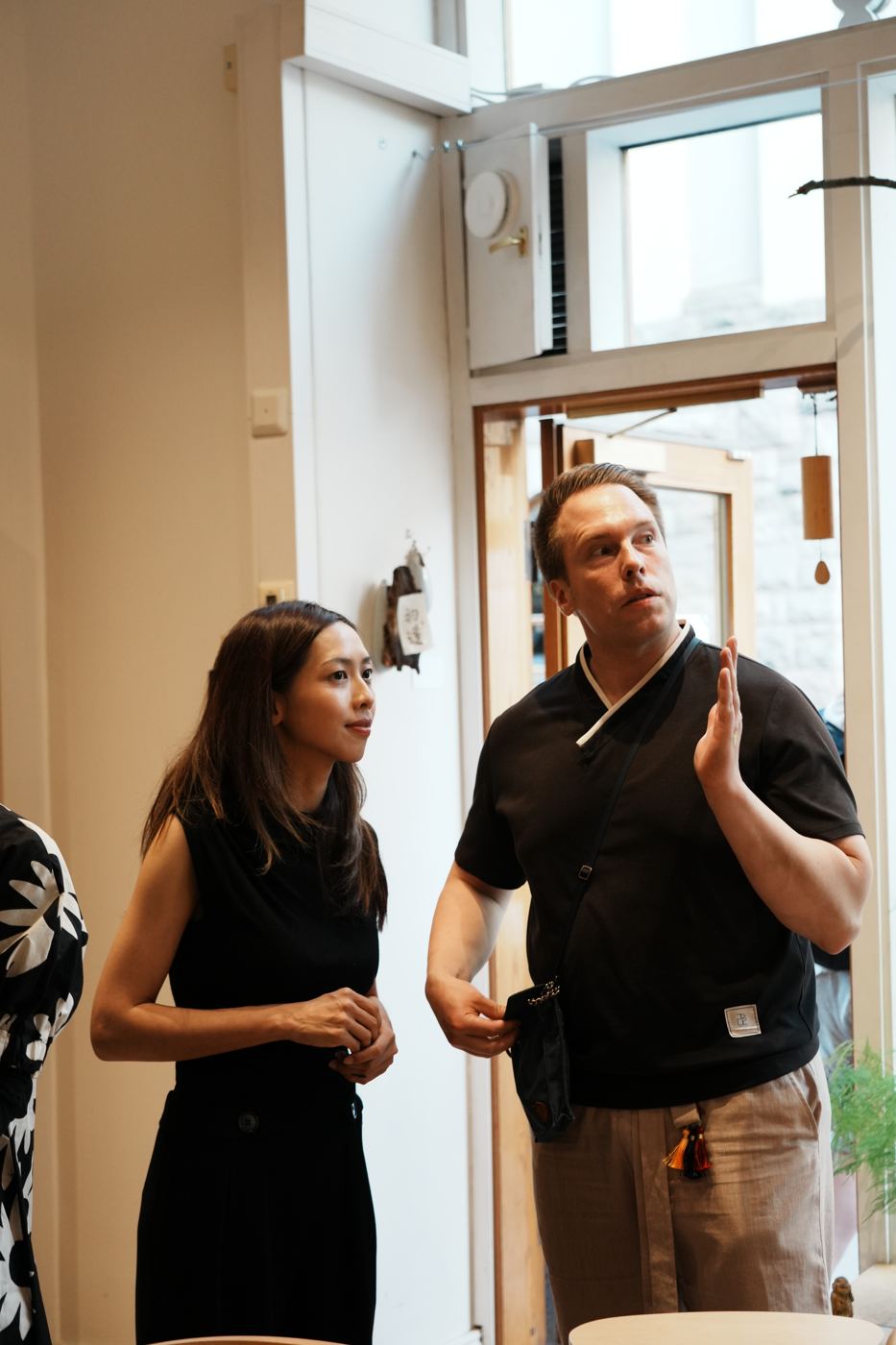
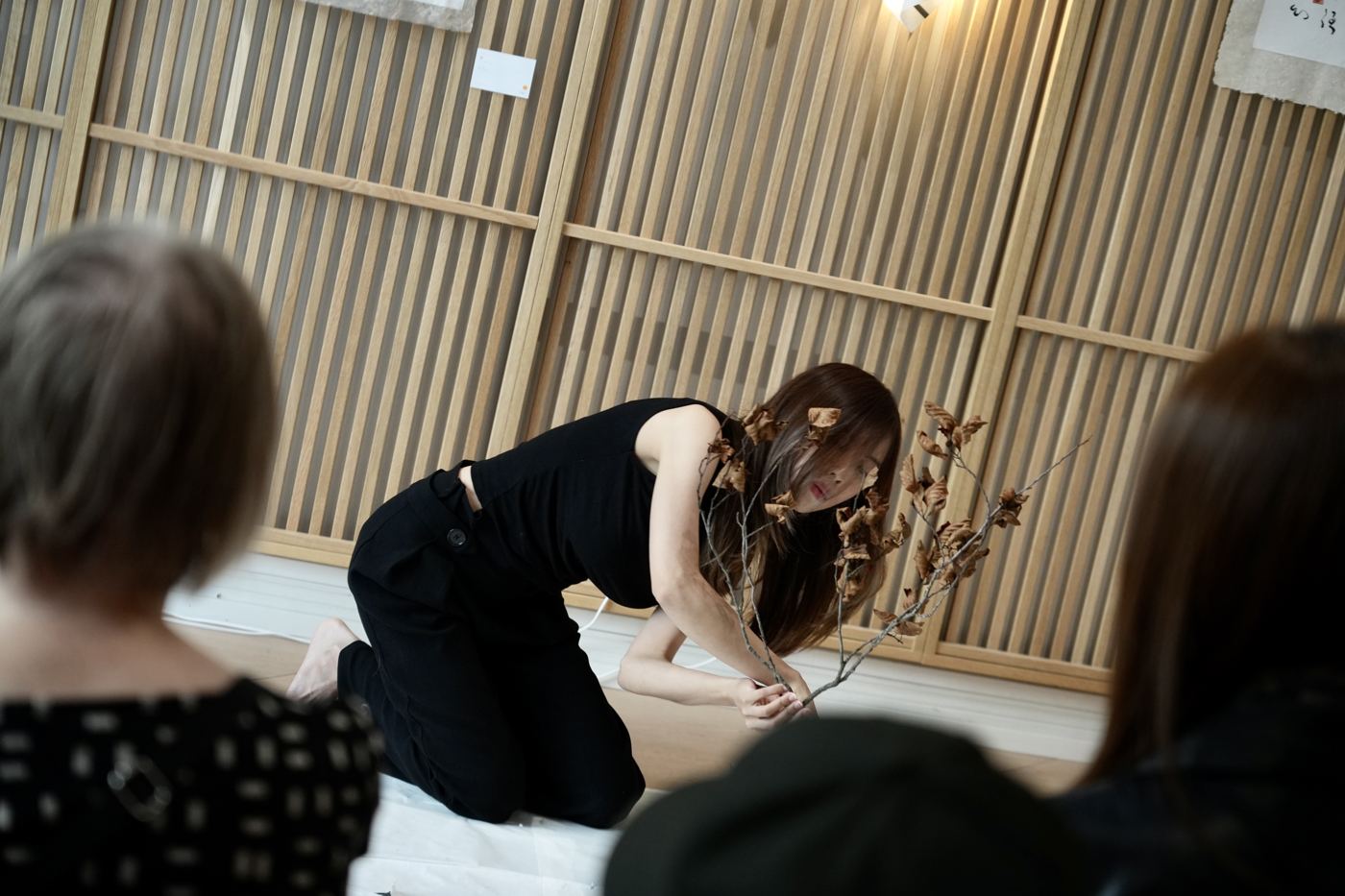
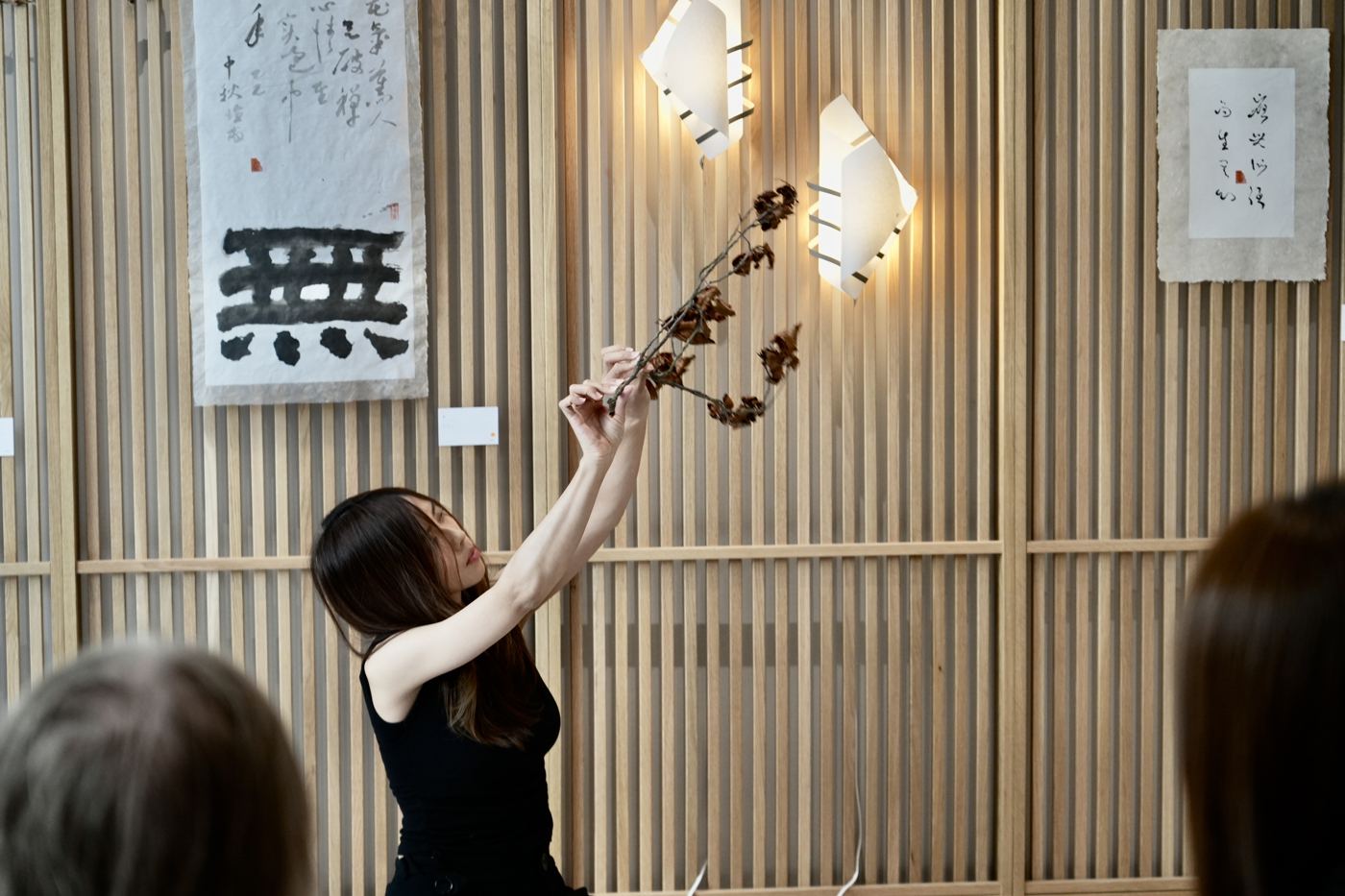
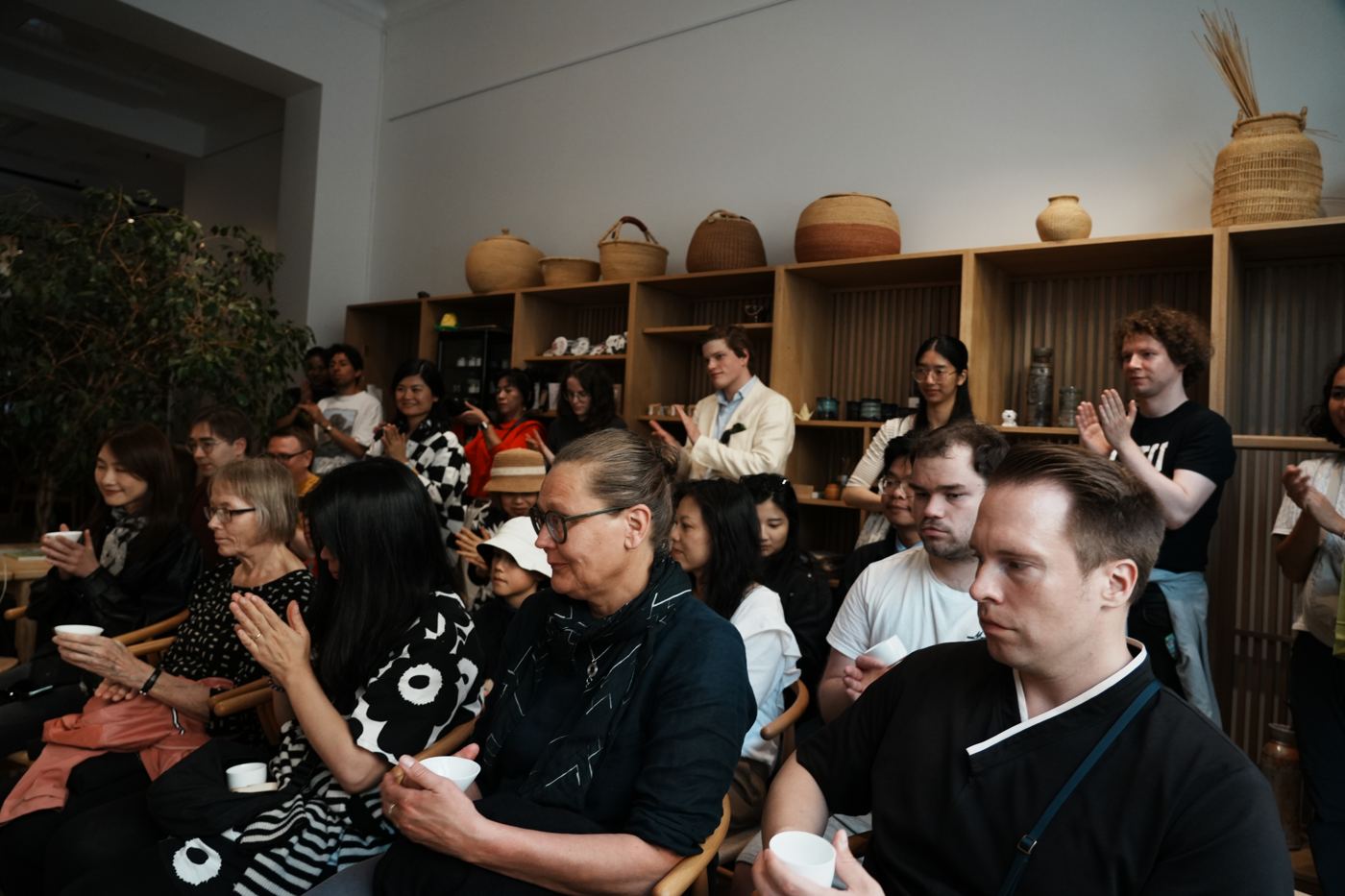
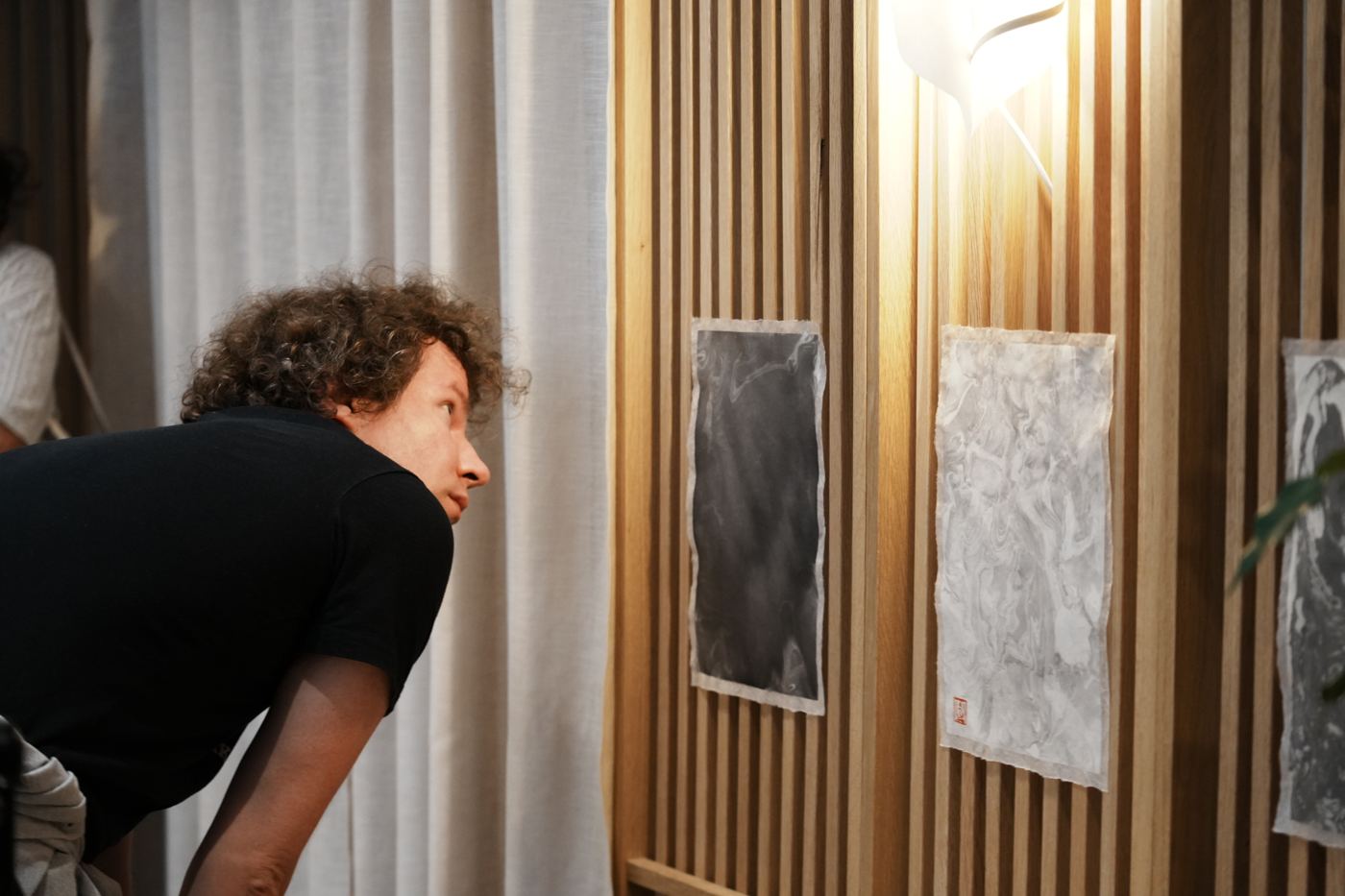
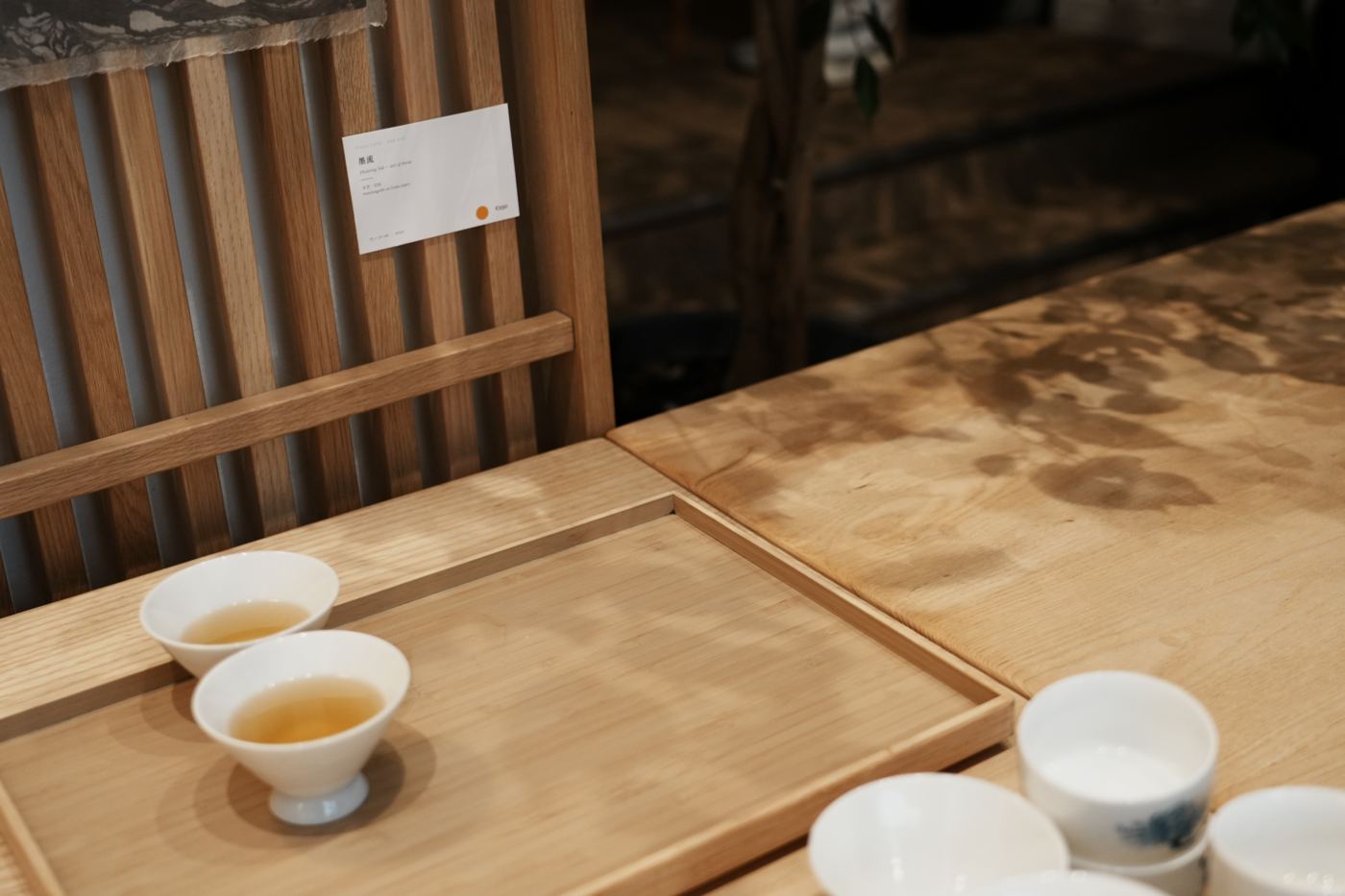
Calligraphy & Body — Rae Hsu | Sound — Huang Tai-Yuan | Space — MUYŌ Tea House | Photography — Joyce
Texts drawn from Buddhist, Zen, and Taoist thought. No work is ever repeated — there is only this moment.
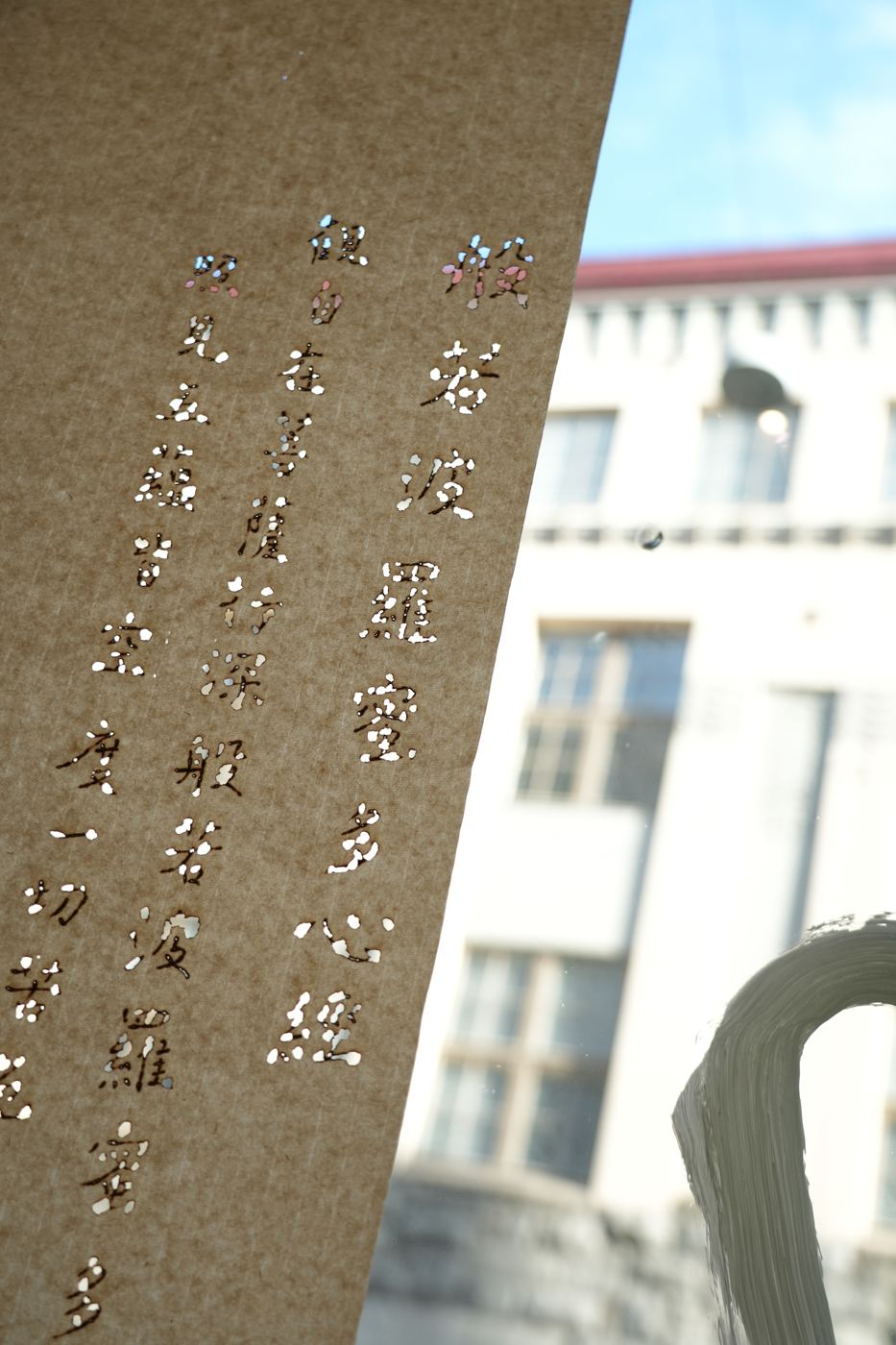
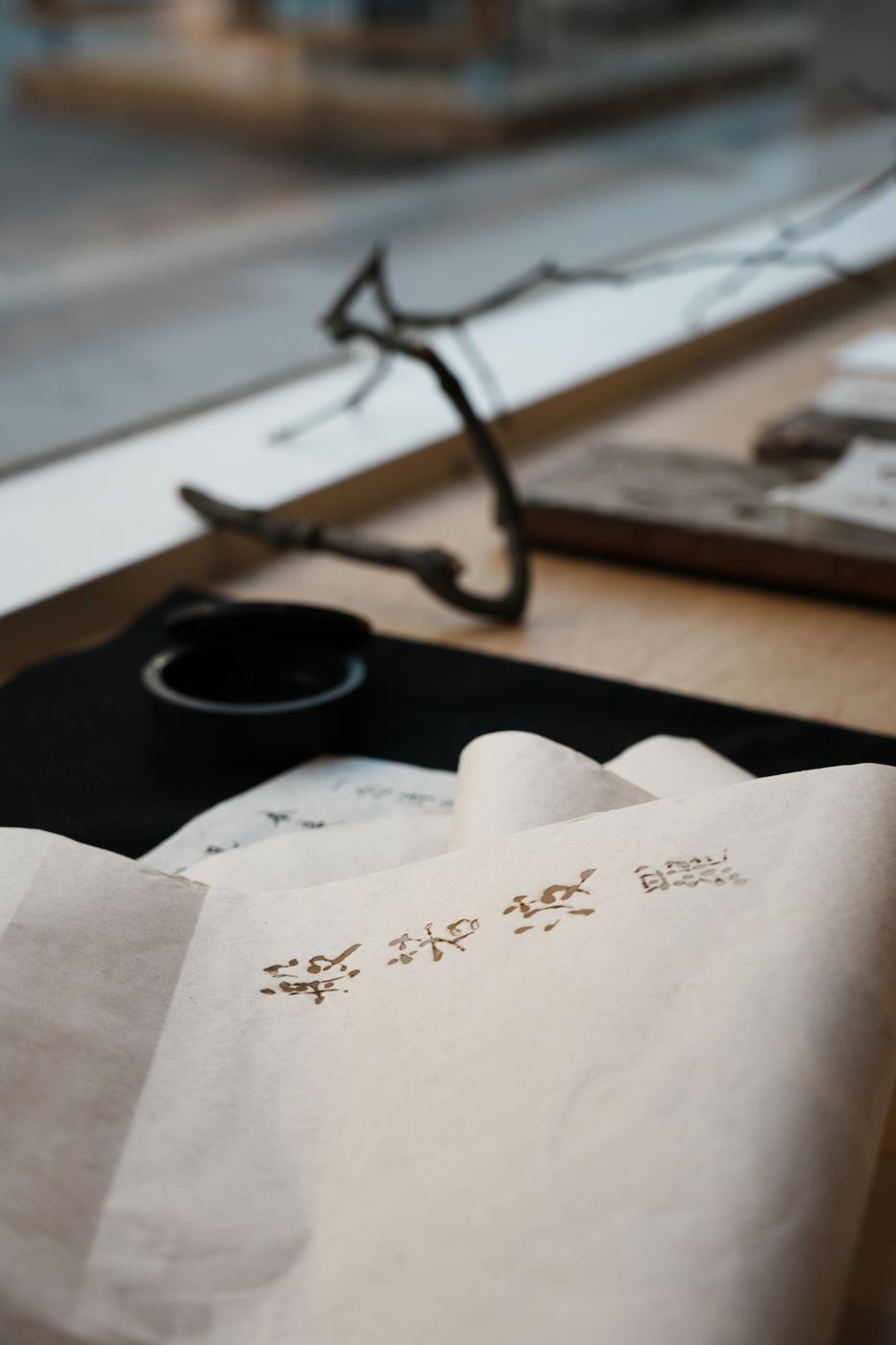
Incense as brush, fire as ink; words are dharma, and all dharmas are empty. Time and chance take part in the writing — the characters burned into emptiness: written, and already gone.
Letting go of the self, crawling slowly as an insect crawls — a script that abandons the writer's will and follows a slower, humbler path across the paper.
Written after Master Hongyi (弘一法師) at Seikenji Zen Temple (栖賢寺), Kyoto — a long scroll of practice, where copying the sutra becomes the meditation itself.